Darren Talbot’s Journey into Inclusive Cricket Pt.1
In 2007, Twenty20 Community Cricket’s Founder Darren Talbot reached a turning point in his life. After working in the City for 13 years, running investment portfolio risk analysis, he realised he was fundamentally unhappy and not on the correct lifepath. Within a few months he had left his financial services career, put on his tracksuit and set up what is now Twenty20 Community Cricket. Here he reflects on his cricket journey - the key moments that led him to make this decision and his experiences as a child and teen cricketer that have formed his coaching ideas and made him passionate about ensuring cricket is an inclusive, affordable sport for all young people.
“My dad was a keen cricketer - I have vivid memories of him playing for his works team in Teddington. When I was 8, he started encouraging me to field on the boundary for the team - this wouldn’t be allowed these days because of H&S regs! The aspect of these games that I remember most are the smells - especially the cricket tearoom. I loved the whole vibe - the match, the camaraderie, the competition, the sounds, the families all enjoying it. I think if I picture what I want a weekend game of cricket to look like; that’s my core reference point.
Even earlier I remember my gran bowling at me when I was 4 or 5. We used to have a willow tree in the back garden which I would use as a wicket, and she and my mum would bowl at me for hours and hours. I would try to hit the ball over the top of the house! My dad made me a wicket and bails, before eventually buying pro stumps that sprang back if you hit them - these were state of the art in 1980.
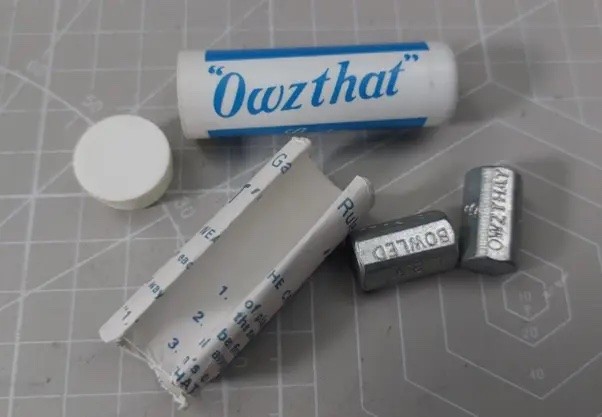
I also loved scoring properly in a score book. I loved the detail, the stats. My friends and I would score everything - whether a game of Owzthat dice, Subbuteo or garden cricket…we’d pretend to be the best county teams of the time - and the most flamboyant team then was Sussex. I’m still absolutely stats obsessed, and all the games we run for our cricket Academy we back up with as many online stats as possible. That Sussex team were like legends to me - John Barclay, Imran Khan, Tony Greig, The Buss brothers. Many years later Barclay asked me to play for the Duchess of Norfolk’s XI against the MCC at Arundel Castle. That’s quite a journey.
I went to the West Indies Test Match at The Oval in 1980 - the atmosphere was amazing and the West Indies fans made me an honorary member. I can still remember the sounds of the drumming and the horns as Marshall, Holding and Garner bowled. Cricket was much more accessible when I was a kid. It’s sadly become more and more a privileged sport, independently educated person’s sport. Now, the ticket prices are prohibitive, and international cricket is on Pay TV channels, whereas up until 2005 it was on free to air TV. Everyone of a certain age remembers Michael Vaughan’s triumph that year because the whole country was watching it on Channel 4. It’s more elitist than it’s ever been.
Back in the 30s there were amateur, posh ‘gentleman’ cricketers, and working-class professional ‘players’. The line was very clear - at Lord’s there were different gates that the two classes of batters would enter the field through. Since then, that line has stayed there - but been pushed into the background, hidden away. The Independent Commission for Equity in Cricket’s report in 2023 urged the England & Wales Cricket Board to do something about this ‘hidden line’. But beyond initiatives that mostly tick boxes, the reality is that we still need to give more people from diverse backgrounds the chance to break through make cricket an inclusive sport for all young people across all backgrounds.
I am passionate about bringing accessible, fun cricket to young people. Many have the impression that cricket is more expensive to get into than other sports because of all the equipment needed - but for a young cricketer the cost is pretty much the same as joining a local football club. You don’t need to buy the top of the range stuff to enjoy cricket! Though again, if you do spend hundreds of pounds on a top of the range English willow bat the more privileged young player has a better chance of hitting the ball more smoothly - which again doesn’t seem fair.
I remember being captain of the Under 10s at my Weybridge school and our team being bowled out for 4. This is when I first met future England batsman - and opposing school captain - Mark Butcher - our paths would cross a lot through schools’ cricket and at Surrey pathway level over the next few years. I was rather shy but realised I was quite good at this game. At first, I bowled left arm unorthodox spin, then switched to orthodox - so pitching the ball on a right-hand batter’s leg stump - as it just felt more comfortable and seemed to work pretty well. I could bat a bit too - I remember scoring a couple of 50s for the Under 13s at school. Middlesex’s left arm spinner Phil Edmonds was my inspiration - and left-handed batting legend David Gower. I liked them not just because they were left-handed, but because they were mavericks - cricket is a sport where the eccentrics, the diverse, even the not traditionally ‘sporty’ can flourish. I also loved that Edmonds and fellow spinner John Emburey were England ‘spin twins’ - regularly playing together in the same team. Top quality spin bowling seemed normal back then, rather than a luxury like now.
Next time Darren remembers finding the right coaching at the right time…

